See full list on prowebscraper.com. Web scraping is the most part of data scraping that generates business values. The use of web scraping may be more extensive than you think, ranging from e-commerce business, recruitment and staffing, consulting industry to journalism and even gambling (Scrape Betting Odds).
Monday, January 25, 2021To obtain useful information effectively and make the most out of it are essential in business decision-making. However, with more than 2 billion web pages on the internet today, manually collecting big data isnot feasible. Here is a simple solution: web scraping.
Table of content
What is web scraping?
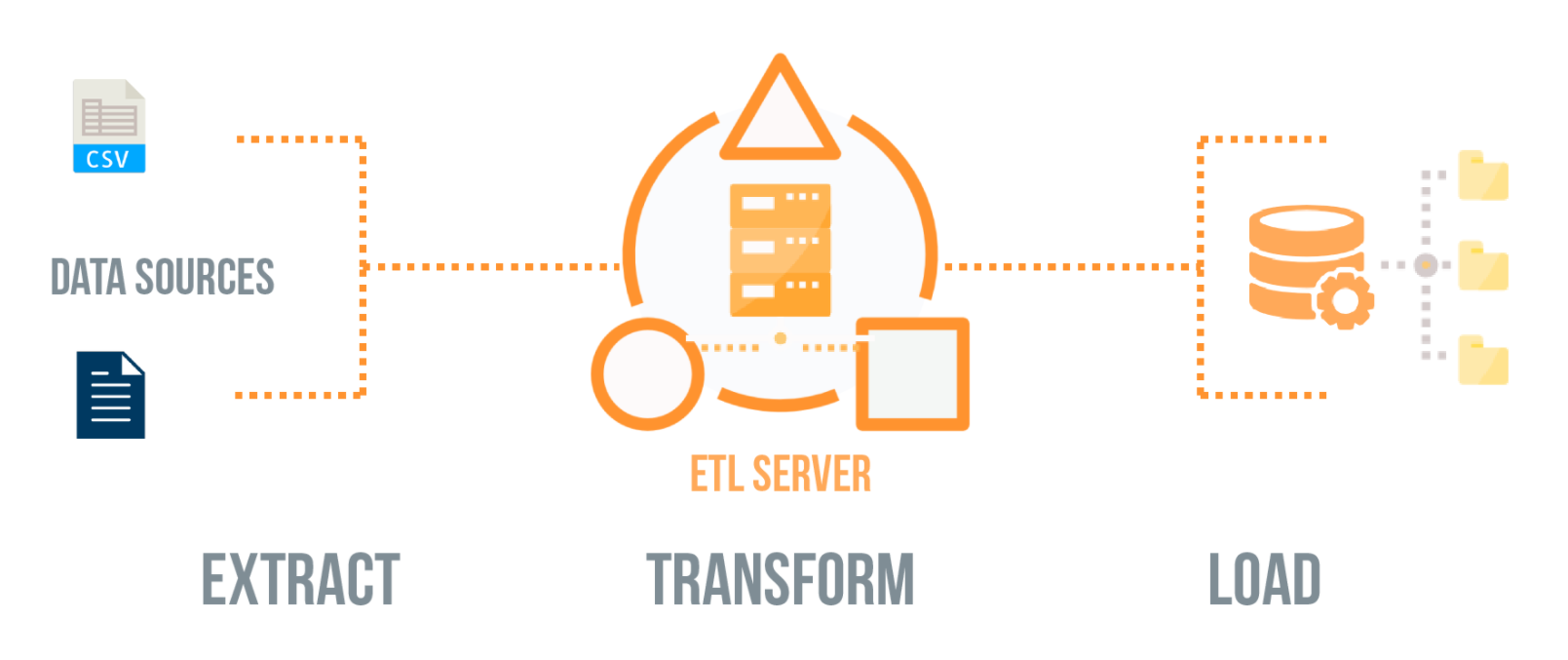
Web scraping is the technique to fetch a large volume of public data from websites. It automates the collection of data and converts the scraped data into formats of your choice, such as HTML, CSV, Excel, JSON, txt.
The process of web scraping primarily consists of 3 parts:
- Parse through an HTML website
- Extract the data needed
- Store the data
The major way to scrape the data is through programming. Because of that, many companies need to hire experienced developers to crawl the websites. Whereas, for those who don't have a big budget and lack coding skills, web scraping tools come in handy. Both scraping with programming languages and using web scraping tools share some advantages in common.
Photo by Helloquence on Unsplash
What are the advantages of web scraping?
1 Data extraction is automated
Copying and pasting the data manually is absolutely a pain. Actually, it is simply not possible to copy/paste a large amount of data when one needs to extract from millions of web pages on a regular basis. Web scraping can extract data automatically with zero human factors included.
2 Speediness
When the work is automated, data is collected at a high speed. Tasks that used to take months to complete can now be done within a few minutes.
3 The information collected is much more accurate
Another advantage of web scraping is that it greatly increases the accuracy of data extraction, as it eliminates human error in this process.
4 It’s a cost-effective method (sometimes even free)
A common myth about web scraping is that people need to either learn how to code by themselves or hire professionals to do it, and both require large investments in time and money. The truth is quite on the contrary: coding is not a must to scrape websites since there are dozens of web scraping tools & services available on the market. Also, it is an affordable solution for businesses with limited budgets. Some web scraping tools offer free plans on small volume extraction, and the market price for large volume data extraction is no higher than $100 a month.
5 Get clean and structured data
After gathering data there usually follows cleaning and reorganizing it, because the data collected is not structured and ready to use. Web scraping tools convert unstructured and semi-structured data into structured data, and web page information is reorganized into presentable formats.
What are the scenarios we can benefit from web scraping?

Web scraping is widely used across industries for the above advantages. Here, I’d like to introduce some of the common scenarios.
Competitor Monitoring
To keep tabs on competitors' strategies, businesses need to get fresh data from their competitors. This helps reveal insights into pricing, advertising, social media strategy and many more.
For example, in the E-commerce industry, online store owners collect product information such as the sellers, images, and prices from websites like Amazon, Bestbuy, eBay, and AliExpress. This way, they can get first-hand market information and adjust their business strategy accordingly.
>>Youtube Video Tutorial: Scrape product data from Amazon
Social media Sentiment Analysis
Nowadays almost everyone owns at least one account on social media platforms like Facebook, Twitter, Instagram, and YouTube. These platforms not only connect us with each other, but also they provide free space for us to express opinions publicly. We are so used to commenting online about things, such as a person, a product, a brand, and a campaign. Therefore, people collect comments and analyze their sentiments to help understand public opinions better.
In an article entitled Scraping Twitter and Sentiment Analysis using Python, Ashley Weldon collected more than 10k tweets about Donald Trump and used Python to analyze the underlying sentiment. The result showed that the negative words in these tweets are way more diverse than the positive ones, which further indicated that people supporting him were generally less educated than people who disliked him.
Similarly, performing sentiment analysis allows businesses to know what their customers like or dislike about them, which helps them improve their product or customer service.
Product Trend Monitoring
In the business world, those who see the furthest ahead (and most accurately) are likely to win the competition. Product data empowers companies to predict the future of market trends more accurately.
In the case of the retailing industry, online fashion retailers scrape detailed product information to ensure an accurate estimate of demand. With a more thorough understanding of demand, there will be larger margins, faster-moving inventories, and smarter supply chains, which leads to higher income in the end.
Monitoring MAP Compliance
MAP compliance is a method for manufacturers to monitor retailers. In the retailing and manufacturing industries, manufacturers need to monitor retailers and make sure they comply with the lowest price. People need to keep track of the prices to stay competitive in the cut-throat market. With the help of web scraping, visiting all the websites and collecting the data are much more effective.
Collect hotel & restaurant business information
Another example of web scraping usage would be in the hospitality and tourism industry. Hotel consultants collect essential hotel information such as pricing, room types, amenities, locations from online travel agencies (Booking, TripAdvisor, Expedia, etc) to know about the general market price in a region. From there, they can improve the strategy for existing hotels or develop a strategy for starting new hotels. They also scrape hotel reviews and do sentiment analysis to know how the customers feel about their accommodation experience.
Here’s a video about my personal experience of using TripAdvisor web scraping templates to collect hotel information when I was doing an internship in Spain. It’s not with the best audio quality but you may check it out.
The same strategy applies to the dining industry. People collect restaurant information from Yelp, such as the names of the restaurants, categories, ratings, addresses, phone numbers, the price range to get an idea of the market they are targeting.
News Monitoring
Every minute, there are huge amounts of news generated global wide. Whether it is about a political scandal, a natural disaster or a wide-spread disease, it’s not practical for anyone to read every piece of news from different sources. Web scraping makes it possible to extract news, announcement, and other relevant data from official and unofficial sources in a timely manner.
News monitoring helps notify important events happening all around the globe, and it assists governments in reacting to emergencies in no time. For instance, during the 2019 Coronavirus (SARS-CoV-2) outbreak, the numbers of confirmed cases, suspected infections, and death tolls were constantly changing. Researchers can scrape the live & death statistics from China’s government official website in real-time to further study and analyze the data. What’s more, when countless reports and rumors were generated at the same time, the government was able to detect rumors among the facts quickly and clarify them, which reduces the possibility of unnecessary panic and even social chaos.
Conclusions
In this article, I’ve covered some basics about web scraping and how it is being used in different industries. Note that scraping websites doesn’t necessarily require programming skills, you can always choose to seek help from web scraping tools & service providers like Octoparse. They not only provide ready-to-use web scraping templates and help build your scraper, but also provide customized data extraction service. If you have any questions regarding Octoparse, you can email support@octoparse.com
Curious to find out how web scraping can help in growing your business? Check out 30 Ways to Grow Your Business with Web Scraping.
Author: Milly
Artículo en español: ¿Qué Es El Web Scraping y Por Qué Es Importante?
También puede leer artículos de web scraping en El Website Oficial
Web Scraping and APIs.
What do these terms mean? And more importantly, how are they different?
Here at ParseHub, we’ll break down both terms and get to the bottom of these questions.
First, we'll discuss what is web scraping and what is an API.
Then we will discuss what is the difference between between Web Scraping and API.
What is Web Scraping?
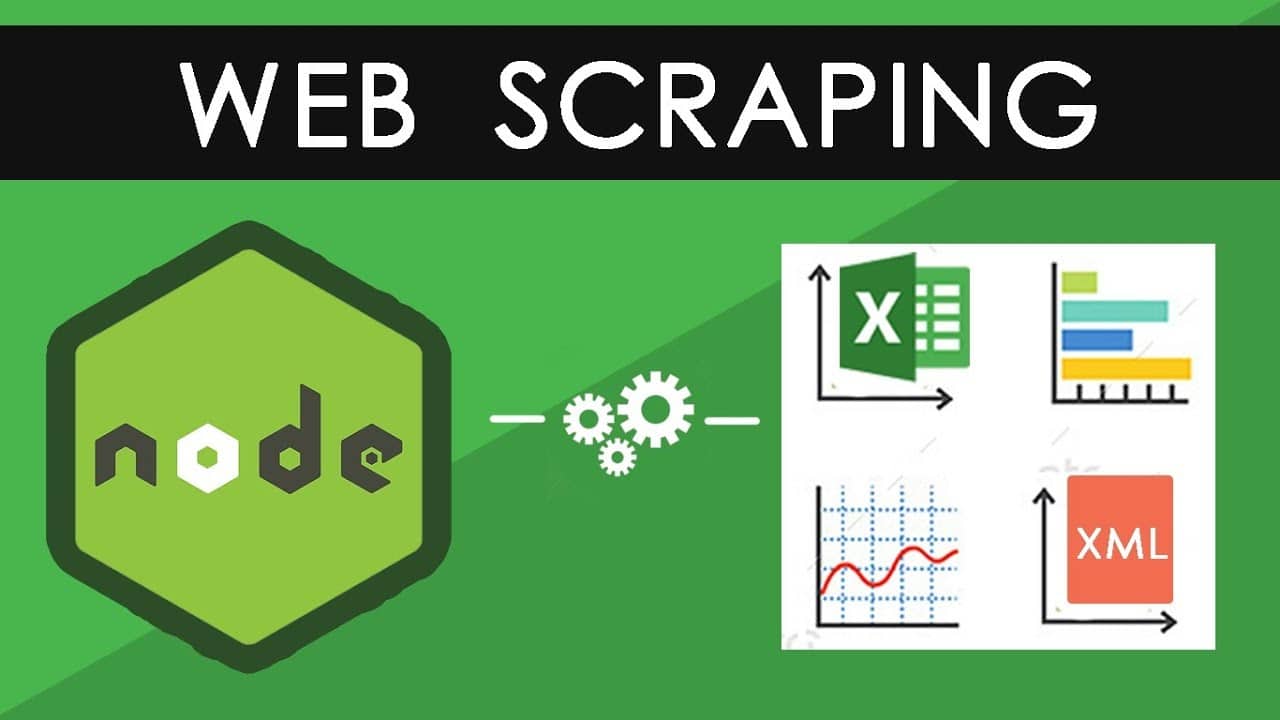
Web Scraping refers to the process of extracting data from a website or specific webpage.
This can be done either manually or by using software tools called web scrapers. These software tools are usually preferred as they are faster, more powerful and therefore more convenient.
Once web scrapers extract the user’s desired data, they often also restructure the data into a more convenient format such as an Excel spreadsheet.
With web scraping, a user is able to select any website they’d want to extract data from, build their web scraping project and extract the data.
Want to learn more about web scraping? Check out our in-depth guide on web scraping and what it is.
What is an API?
An API (Application Programming Interface) is a set of procedures and communication protocols that provide access to the data of an application, operating system or other services.
Generally, this is done to allow the development of other applications that use the same data.
For example, a weather forecast company could create an API to allow other developers to access their data set and create anything they’d want with it. Be it their own weather mobile app, weather website, research studies, etc.
As a result, APIs rely on the owner of the dataset in question. They might offer access to it for free, charge for access or just not offer and API at all. They might also limit the number of requests that a single user can make or the detail of the data they can access.
Web Scraping vs API: What’s the Difference?
At this point, you might be able to tell the differences between web scraping and an API. But let’s break them down.
The goal of both web scraping and APIs is to access web data.
Web scraping allows you to extract data from any website through the use of web scraping software. On the other hand, APIs give you direct access to the data you’d want.
Web Scraping Software
As a result, you might find yourself in a scenario where there might not be an API to access the data you want, or the access to the API might be too limited or expensive.
In these scenarios, web scraping would allow you to access the data as long as it is available on a website.
For example, you could use a web scraper to extract product data information from Amazon since they do not provide an API for you to access this data.
Web Scraping Is Used To
Closing Thoughts
Web Scraping Is Legal In India
As you can see, the uses of web scrapers and APIs change depending on the context of the situation you’re in.
You might be able to access all the data you need with the use of an API. But if access to the API is limited, or too expensive or just non-existent, a web scraper can allow you to essentially build your own API for any website.
Web Scraping Applications
If you would like to learn more web scraping, you can read our beginners guide to web scraping.